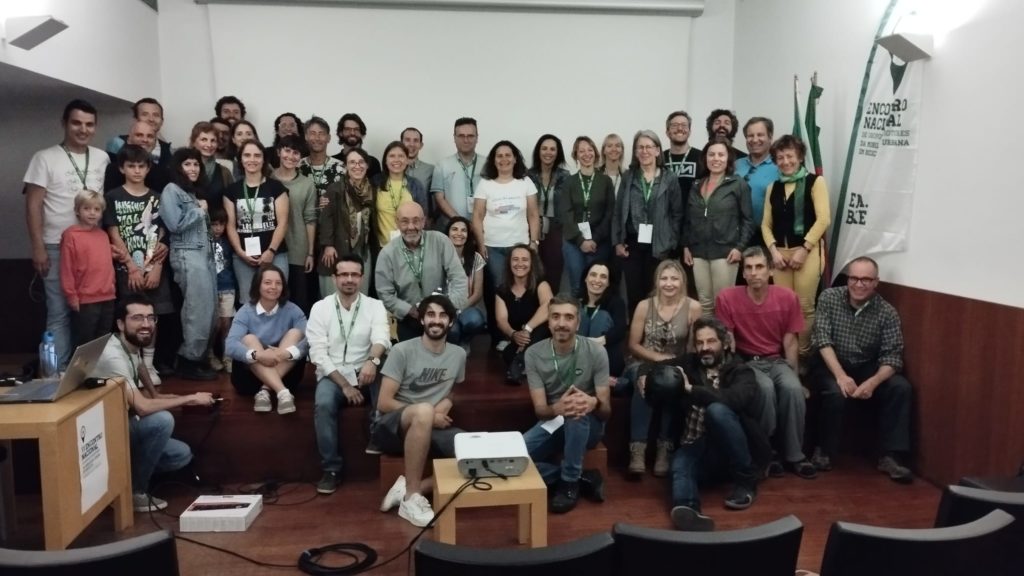
Nos dias 19, 20 e 21 de Maio realizou-se, em Matosinhos, o VI Encontro Nacional de Grupos Promotores de Mobilidade Urbana em Bicicleta.
Participaram neste encontro membros de associações e coletivos de diversas cidades do país, que têm como objetivo a defesa e promoção do uso da bicicleta.
No primeiro dia, na Biblioteca Municipal Florbela Espanca, decorreu a receção dos participantes e abertura da exposição “Ciclomundanças” com ilustrações de Gabriela Araújo e fotografias que evidenciam diversos usos da bicicleta no passado na cidade do Porto — com destaque para a ciclovia existente, nos anos 1960, na via rápida que liga o Porto a Matosinhos.
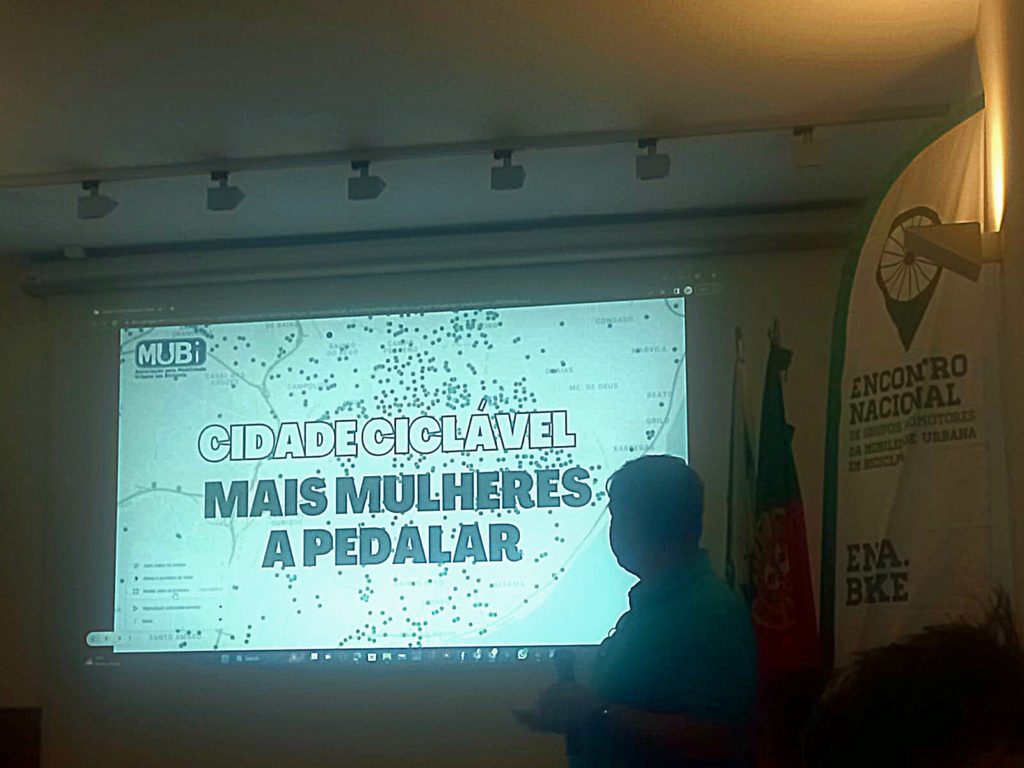
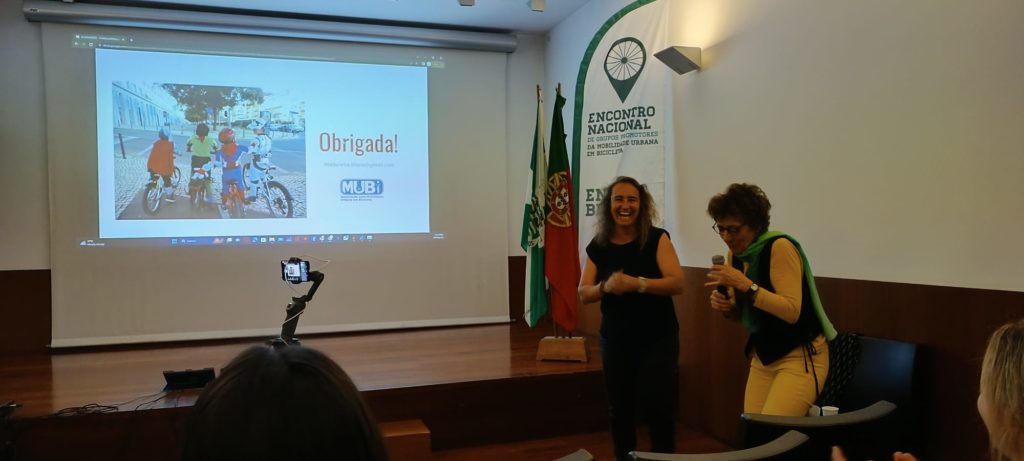
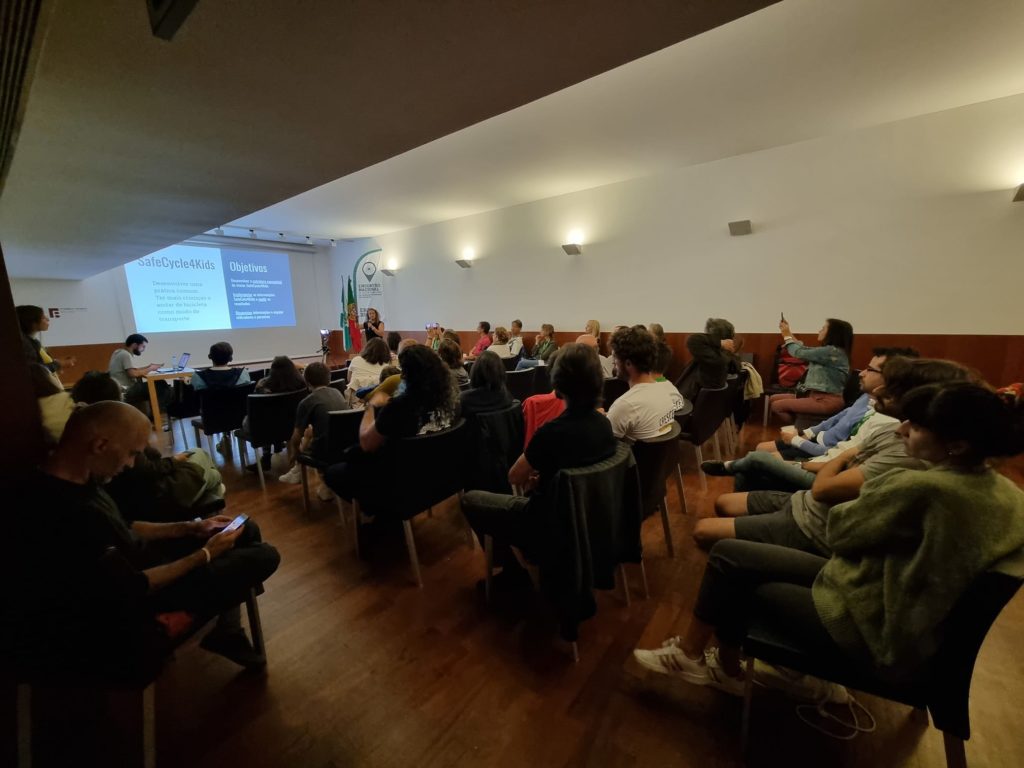
No auditório da Biblioteca, teve lugar a apresentação de 15 projetos que estão a decorrer ou em desenvolvimento em diversas partes do país, tendo a MUBi apresentado os seus projectos SafeCycle4Kids e Cidade Ciclável: Mais Mulheres a Pedalar. Esteve a cargo da nossa associada Isabel Viana fazer uma breve introdução de cada participante e do projecto a ser apresentado.
Descobrir o território, identificar potencialidades
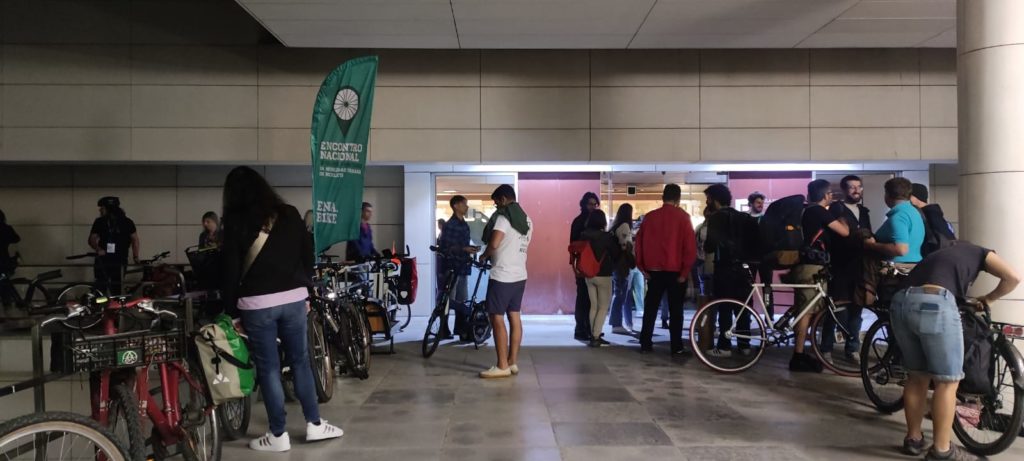
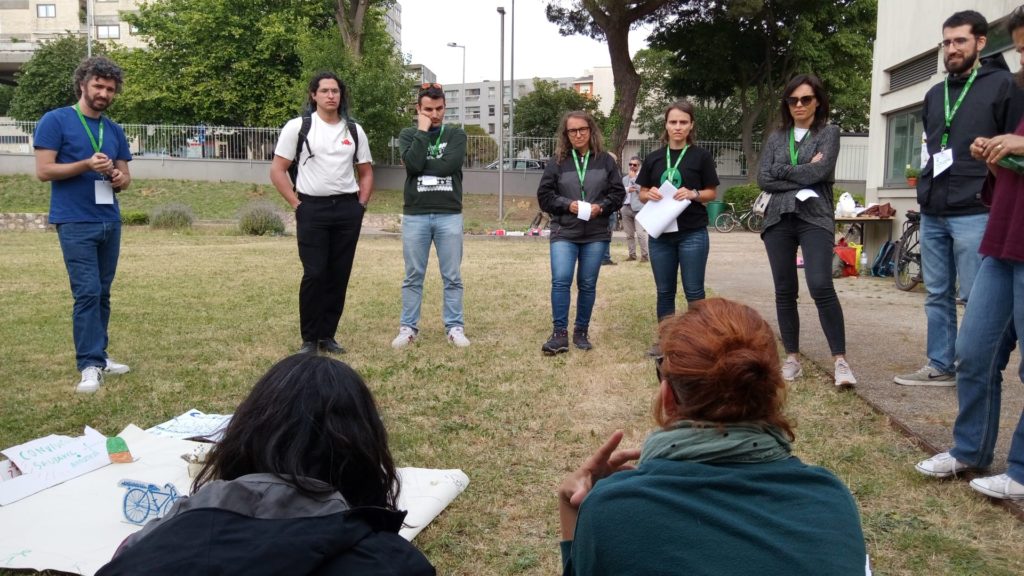
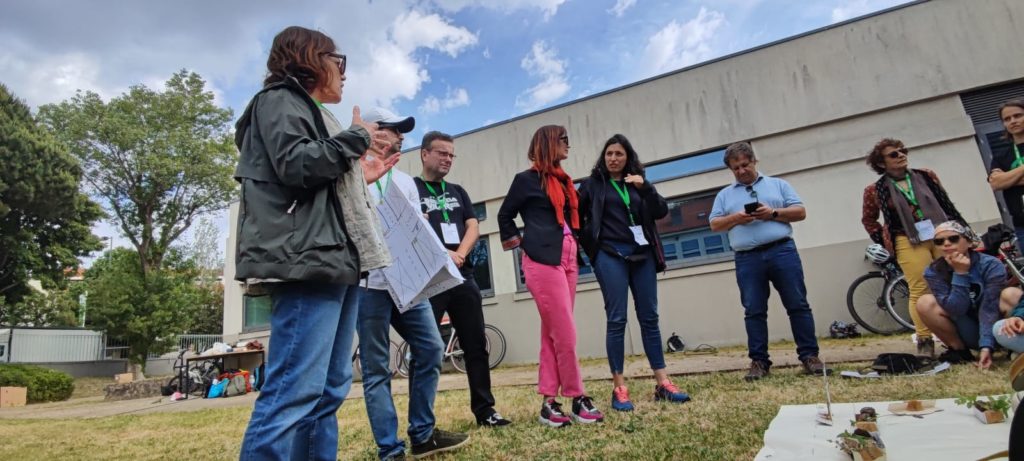
No segundo dia, as atividades desenvolveram-se no pátio da Escola Secundária Gonçalves Zarco. Os participantes deste encontro foram desafiados, por João Rosa (4is inovação social), a descobrir Matosinhos a pé ou de bicicleta, de forma individual ou em grupo. Pretendia-se a identificação de emoções, memórias, sensações, sentimentos e expectativas sentidas durante esse passeio.
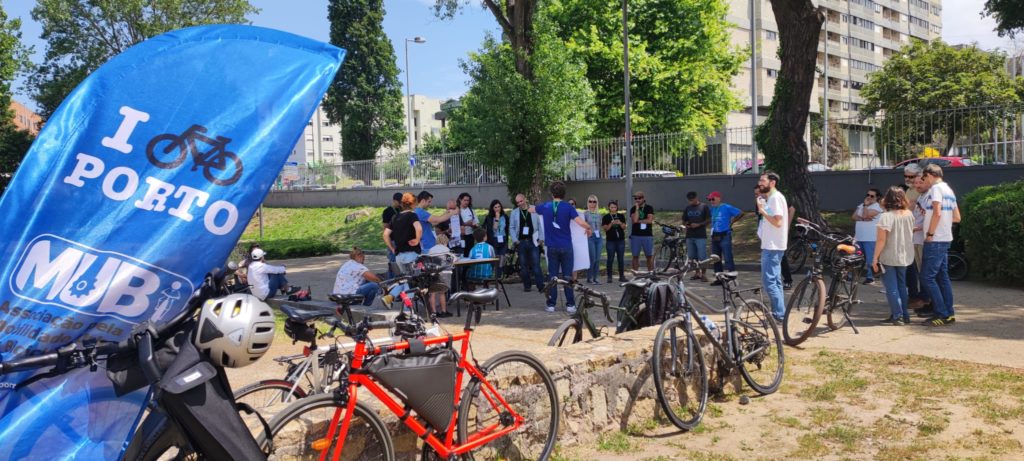
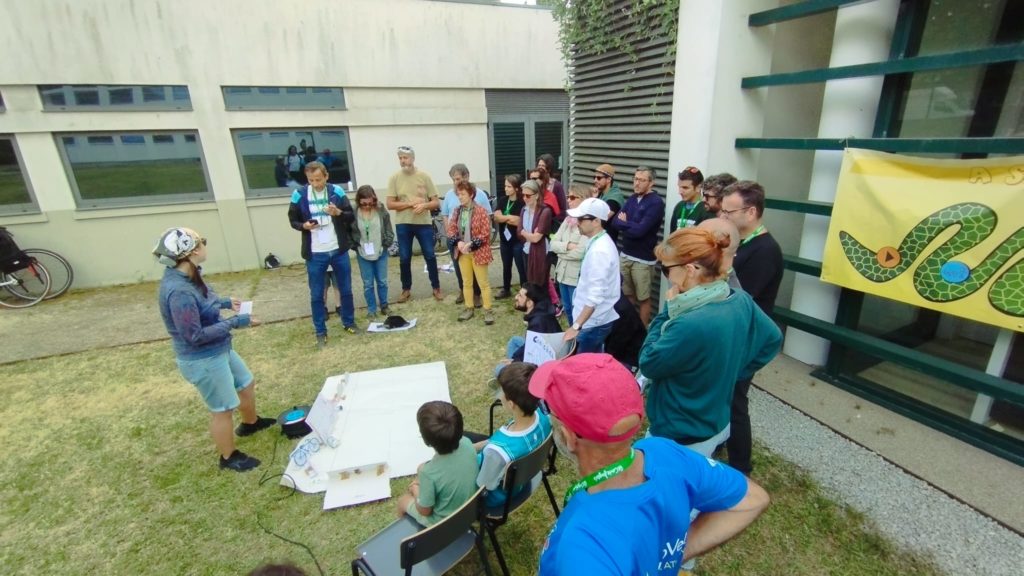
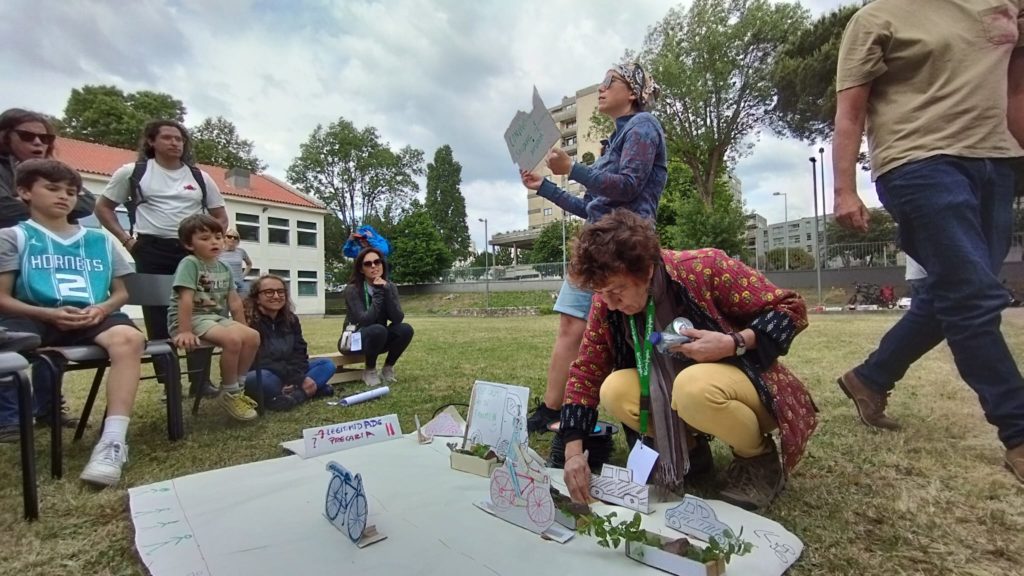
Após uma hora, novamente no pátio da escola, criaram-se grupos em que cada um, individualmente, descrevia a sua experiência, tendo ocorrido a partilha de sons ou fotografias. No final, cada grupo teve de apresentar aos restantes uma ideia de solução para problemas identificados e/ou formas de melhor concretizar potencialidades do território no que diz respeito à mobilidade, ao planeamento urbano e à gestão do espaço público.
Também no espaço da escola, decorreu a mostra das iniciativas da Ciclaveiro e da Cooperativa Bicicultura.
Trabalhar pelo direito a pedalar
No último dia, o grupo regressou à Biblioteca para partilhar o ponto de situação dos projetos surgidos no V Encontro Nacional, nomeadamente: Trituradora, Velo-Repair 2022, Glossário de Combate à Iliteracia da Mobilidade, Urban Mobility Buddy e Envolventes Escolares Seguras. Este último projeto foi concebido por pessoas já envolvidas no grupo Mobilidade Escolar em Portugal que, entretanto, dinamizaram a Kidical Mass Portugal. Assim, houve espaço para falar de planos para continuidade e expansão da Kidical Mass em Portugal.
Em seguida, os participantes foram convidados a trabalhar nesses projetos, ou na plataforma ENA.BIKE, ou na exploração sobre o potencial territorial e cultural de Matosinhos e a forma como a bicicleta o pode concretizar. Por interesse de um conjunto de participantes, surgiu um novo projeto em torno da capacitação de técnicos e autarcas para desenho de infraestrutura ciclável, com especial enfoque numa experiência in loco do território. Houve ainda espaço para a proposta de outros focos de discussão decorrentes do trabalho feito no dia anterior.
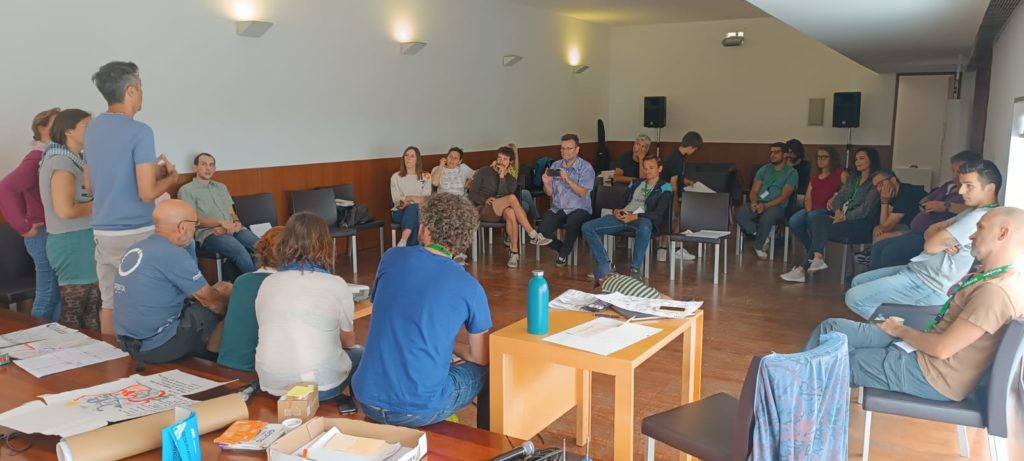
No trabalho do grupo focado na plataforma ENA.BIKE, foi discutida a continuidade destes Encontros e proposta a criação de uma Comissão de organização dos mesmos, que defina algumas orientações e processos, de modo a tornar a sua planificação mais concertada e a sua concretização mais fluida.
Até ao próximo ENGPMUB!


MANIFESTO “MUDAR A MOBILIDADE URBANA”
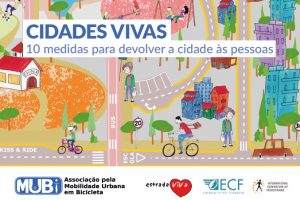
MANIFESTO “CIDADES VIVAS”
MAPA COLABORATIVO MUBI